
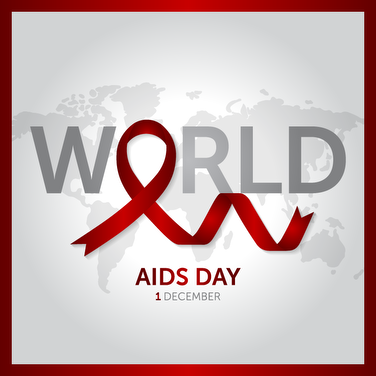
Today, December 1st, marks World AIDS Day, a critical moment to raise awareness and encourage action.
New HIV infection numbers continue to rise, with the largest group affected being youth aged 19–34 years. This trend forces us to ask: How many infections remain undiagnosed, unknowingly fueling the spread of the virus? Knowledge is power, and testing is the first step toward personal health and public safety.
Why is Knowing Your HIV Status Essential?
Knowing your status is the gateway to controlling the virus, not letting it control you.
- Early Treatment Saves Lives: Starting Antiretroviral Therapy (ART) soon after diagnosis slows disease progression, protects your immune system, and keeps you healthy.
- Preventing Transmission: Modern treatment is so effective that it can reduce the viral load in your blood to an undetectable level. This is the foundation of the revolutionary U=U principle (see below).
Who Should Get Tested?
HIV is primarily spread through specific activities, mainly unprotected sexual contact or the sharing of needles/syringes. Casual contact, such as hugging or sharing food, does NOT spread HIV.
You should get tested regularly if you fall into any of the following categories:
- You have had unprotected sex with multiple partners.
- You are a partner of someone living with HIV.
- You are a man who has sex with men (MSM).
- You use injection drugs and share needles or syringes.
- You have recently been diagnosed with another sexually transmitted disease (STD).
The Three Phases: You Cannot Rely on Symptoms
The only definitive way to know your status is to take an HIV test. Many people remain asymptomatic for years. If symptoms do occur, they typically follow three distinct phases:
1. Acute Phase (2–4 weeks post-exposure)
This phase often mimics severe flu or mononucleosis. Because the symptoms are so common, most people do not realize it is linked to HIV.
- Common Signs: High fever, sore throat, severe muscle and joint pain, and persistent headache.
- Crucial Detail: Viral levels are extremely high during this phase, making the virus highly contagious.
2. Chronic Phase (Clinical Latency)
The virus remains active but reproduces slowly, often causing no noticeable symptoms. You may feel perfectly healthy for years. However, without treatment, the virus is still silently and progressively damaging your immune system.
3. Advanced Phase (AIDS)
If left untreated for years, the immune system becomes severely compromised, leading to opportunistic infections (OIs). These are infections that a healthy body easily fights off but become life-threatening when immunity fails. The good news is that starting ART at any stage can halt the progression, repair immune damage, and prevent OIs.
The Most Important Takeaway: U=U (Undetectable = Untransmittable)
This groundbreaking scientific consensus fundamentally changes what it means to live with HIV:
- The Treatment: Consistent adherence to modern Antiretroviral Therapy (ART) is effective and manageable.
- The Result (U=U): When treatment successfully lowers the amount of HIV in the blood to an undetectable level, the person cannot sexually transmit HIV to a partner.
Testing gives you the power to start treatment, protect your own health, and protect your partners and community.
Don’t delay. On this World AIDS Day, prioritize your health and empower yourself with knowledge. Talk to your healthcare provider about HIV testing today.


Comments (0)
You must be logged in to leave a comment. Login here
No comments yet
Be the first to share your thoughts!