
Protecting Our Queens: A Guide to Preventing Cervical Cancer in Kenya
Introduction: The Silent Threat We Can Actually StopDid you know that in Kenya, about nine women lose their lives every single day to cervical cancer? …

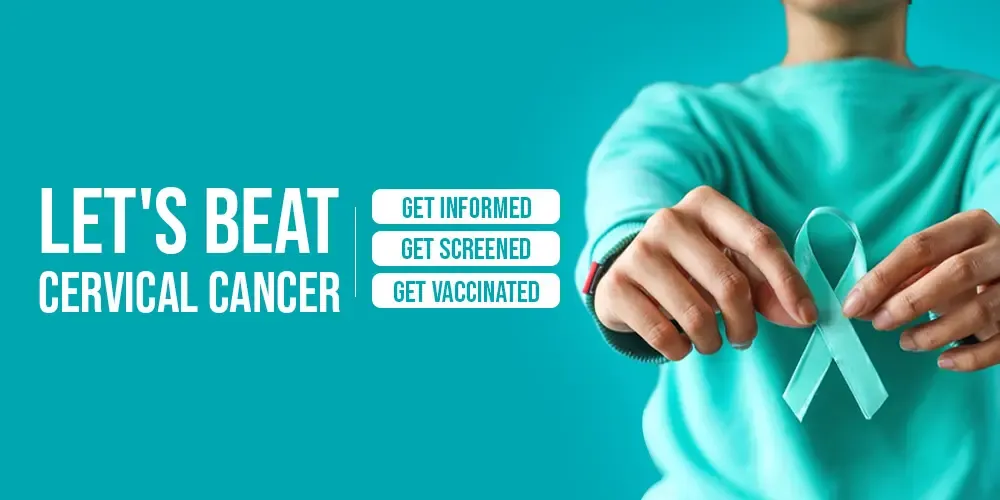
Introduction: The Silent Threat We Can Actually Stop (Cervical cancer prevention in Kenya)
Did you know that in Kenya, about nine women lose their lives every single day to cervical cancer? It is the second most common cancer among women in our country. The most shocking part? Cervical cancer is up to 90% preventable.
Unlike many other diseases, we clearly understand what causes cervical cancer—and we have proven tools to stop it. Through informed lifestyle choices and the “Big Three” prevention steps, you can protect yourself, your daughters, sisters, and friends. Let’s break it down in a simple, practical way.
The Science (Made Simple)
Most cervical cancer is caused by the Human Papillomavirus (HPV).
Think of HPV as a “seed.”
Almost everyone who is sexually active will encounter this seed at some point in their life. However, whether that seed grows into cancer depends on the “soil”—which represents your immune system.
A strong immune system can clear the virus naturally. A weakened one allows HPV to persist, increasing the risk of cervical cancer over time.
How Lifestyle Affects Your Immune System
🚬 The Smoking Link
Women who smoke are about twice as likely to develop cervical cancer. Harmful chemicals from cigarettes travel through the bloodstream and settle in the cervix, weakening its ability to fight HPV.
Bottom line: Avoiding smoking significantly reduces your risk.
🥬 The Power of Local Greens
Kenyan vegetables such as Sukuma Wiki, Managu, Terere, and spinach are rich in Folate and Vitamin C—key nutrients that help your immune system repair cells and fight infections.
Eat your greens they do more than just fill your plate.
🏃🏽♀️ Move Your Body
Regular physical activity helps:
- Reduce inflammation
- Strengthen immunity
- Improve overall hormone balance
Even 30 minutes of walking most days helps keep your body in “fighter mode.”
Prevention: The “Big Three” Shield 🛡️
1. The HPV Vaccine
The 2026 Update:
Kenya now uses a single-dose HPV vaccine schedule—one jab is enough for strong protection.
Who qualifies?
- Free in public hospitals
- For girls aged 9–14 years
This vaccine prevents HPV infection before exposure, making it one of the most powerful cancer-prevention tools available today.
2. Screening: The “Early Bird” Advantage
Cervical cancer often has no symptoms in its early stages. That’s why screening is critical.
Screening detects pre-cancerous changes, which are 100% treatable before cancer develops.
Available tests in Kenya:
- Pap smear
- VIA/VILI
- HPV DNA test
Who should screen?
Women aged 21–65 years, every 1–2 years, depending on test type and medical advice.
3. Smart Choices: Protecting Your Future
- Safe sexual practices: Condoms reduce the amount of HPV exposure (“viral load”) and lower risk.
- Regular check-ups: Annual wellness visits help detect issues early and keep you informed.
Small, consistent choices today protect your health tomorrow.
The Bottom Line
Cervical cancer does not have to be a death sentence.
- Parents: Vaccinate your daughters early.
- Women aged 21+: Book a screening appointment.
- Everyone: Eat well, stay active, and make informed health choices.
Be part of the movement fighting cervical cancer in Kenya.
The best time to start is today. 🎀🎀
Written by
Dr Gertrude Ngugi
Healthcare writer sharing evidence-based insights on wellness, nutrition, and healthy living.



Comments
Log in to leave a comment.
No comments yet — be the first to share your thoughts.